


Monster Music DIY: Mix Beats
3.55.00 Reviews
App Specs
- Version
- 1.0.20
- Updated On
- License
- Free
- Downloads
- 500,000+
- Developer
- KueMiin
- Categories
- Music
- Platform
- Android
Screenshots
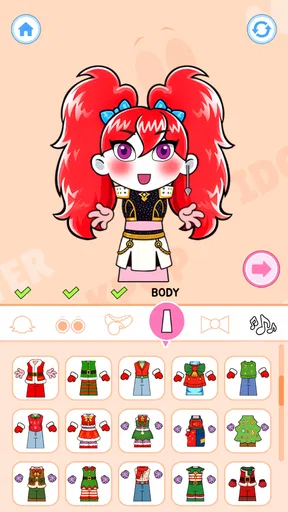


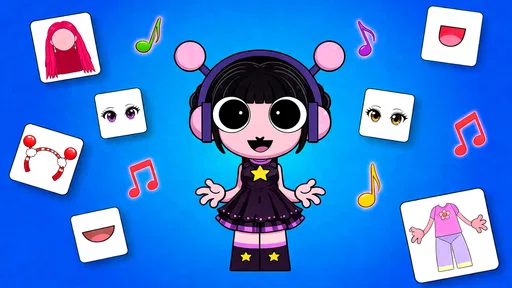



 Analysis by AppCompare
My first impression of Kpop Music DIY: Mix Beats is that it aims to make musical play feel approachable rather than turning a phone into a serious production workstation. It is a free music game from KueMiin, built around K-pop-inspired beat mixing. The idea has an easy first-week appeal: you can open it when you have a few spare minutes, try arranging sounds, and enjoy the process without needing music-making experience. For me, that quick, low-pressure invitation is its clearest strength.
The game has reached over 500,000 installs, though its average rating is 3.4 from around 41 ratings, so I would treat it as a casual experiment rather than an assured hit. It is rated for Everyone, and the current version is 1.0.12. Those details help set expectations, but they do not change the central question: does the playful first session turn into something I want to revisit? That depends less on grand promises and more on whether the act of mixing stays enjoyable after the initial novelty wears off.
The first sessions: approachable, but best taken as play
The K-pop theme gives the experience a recognizable direction, while the music-game format makes it easier to approach than a traditional digital audio workstation. If I am waiting for a ride or taking a short break, I can treat a session as a small creative diversion rather than a commitment to finish a polished song. That distinction matters: people expecting detailed recording, professional editing, or a full production workflow should look elsewhere. This is more suited to experimenting with musical combinations for enjoyment.
A useful way to start is to listen before changing anything. I would first get a feel for the rhythm and the overall mood, then make one adjustment at a time. That simple habit makes it easier to notice what a change contributes instead of tapping randomly and losing track of why a mix sounds different. For a beginner, it also turns an open-ended activity into a small exercise in listening: identify the part that feels too busy, too subdued, or out of step, and experiment from there.
This kind of focused trial is also a good fit for someone who likes K-pop energy but is unsure whether they want to learn a more involved music app. It offers a lower-pressure way to see whether arranging sounds is fun at all. The trade-off is that the game should not be confused with a lesson plan. If your main goal is to understand music theory, record vocals, or build a track from scratch with precise controls, a dedicated music-making app will be a better match.
Getting Started with the Beat
First things first, let’s talk about the interface. When you open up Kpop Music DIY: Mix Beats, you’re greeted with a sleek and colorful dashboard. It’s pretty intuitive, so you won’t feel lost even if you’re a beginner. The app guides you through the basics, and before you know it, you’re mixing beats like a pro. I was up and running in no time, and that’s saying something!
Features That Make You Groove
The app is packed with features that are both fun and functional. You’ve got a variety of pre-set beats to choose from, and let me tell you, they cover quite the range. Whether you’re into upbeat dance vibes or something more mellow, there’s something here for everyone. I spent hours experimenting with different combinations, and the possibilities felt endless.
Worth Reading Before You Choose

EA SPORTS FC Mobile 26 Is a Bigger Football Game, but It Takes Time

Flipboard Shows What News Apps Must Do Beyond the Feed

Switching to Android Auto Means Rethinking Your Driving Routine

Google Calendar Makes a Crowded Week Easier to Manage

Ludo King Makes the Most of the Minutes Between Plans

Baby Panda World Brings Quick Play to Modern Phones, but Its Game Library Feels Busy
One feature I really appreciated was the customizable soundboard. You can tweak everything from the bass to the treble, adding your own personal touch to each track. It’s like having a mini recording studio in your pocket. Plus, you can save your creations and share them with friends, which is a huge plus if you love showing off your musical genius!
Making a short session count
For a practical everyday routine, I would use the beat choices as starting points rather than trying to make every session into a finished composition. Pick a mood that suits the moment, listen through once, then focus on a single change and compare the result with the starting sound. This keeps a quick break enjoyable and gives each experiment a purpose. If a combination clicks, saving it gives you a reason to return and compare ideas later, rather than relying on memory to recreate a sound you liked.
There is also a useful distinction between making something for yourself and making something to share. When I am experimenting privately, I can be messy and try combinations that do not immediately work. If I want to show a friend, I would spend a little longer deciding which version best communicates the mood I had in mind. That small second listen can help avoid sending every half-formed attempt, and it makes sharing feel like a choice instead of the automatic end of each session.
Compared with rhythm games that mainly ask you to follow prompts and hit notes at the right time, this concept puts more attention on choosing and adjusting sounds. Compared with full music-production tools, it is intended to feel much less demanding. That middle ground is appealing when I want to play with musical ideas without opening a complex project. It is less compelling if I want a competitive score chase, a structured course, or controls designed for precise production; those alternatives serve different needs better.
Month-to-month value: a small creative habit
The lasting value here is likely to come from variety in how you approach each session, not from treating it as an endless source of new material. A listener can return with a specific question: can I make this beat feel calmer, brighter, or more energetic? Even when the available starting points are familiar, changing the way you listen can make a brief revisit feel worthwhile. I would keep expectations modest, though. A casual music game can be a pleasant part of a routine without becoming a serious creative tool.
Imagine having a few minutes between classes or while waiting for someone at a café. Rather than starting a long game or scrolling without purpose, you could open the mixer, test a beat, and stop when your break ends. The short-session approach suits the format because there is no need to set aside a whole evening to enjoy it. On the other hand, if you only enjoy apps that provide a new challenge or clear progression every time you return, a repeatable mixing activity may eventually feel too open-ended.
For younger players and families, the Everyone age rating makes the game easier to consider as casual entertainment, but I would still set ordinary device rules around time and sharing. The rating is a content classification, not a promise that every child will find the controls or creative freedom engaging. Adults who are curious about beat mixing can also use it as a relaxed introduction, especially if they prefer hands-on trial over reading a tutorial before making a sound.
User Experience: Smooth and Satisfying
Now, onto the user experience. The app runs smoothly, which is crucial when you’re in the middle of crafting your masterpiece. I didn’t encounter any major glitches or crashes, which is always a relief. The developers clearly put a lot of thought into making the app accessible to everyone, regardless of their tech skills.
Another thing worth mentioning is the community aspect. Kpop Music DIY: Mix Beats has an active user base, and it’s super easy to connect with other aspiring producers. You can share tips, get feedback, and even collaborate on projects. It adds a social element that makes the whole experience even more enjoyable.
Keeping expectations—and the routine—realistic
When I decide whether an app deserves space on my phone, I consider how much effort it takes to get something enjoyable out of it. Here, I would keep the routine simple: open it when I actually feel like experimenting, save only the results I might want to revisit, and avoid turning casual play into a chore. That approach protects the fun. If I find myself repeating the same actions without curiosity, that is a sensible point to take a break rather than forcing a habit just because I installed the game.
One limitation of casual mixers is that a satisfying first result does not necessarily mean there is enough depth for every listener over the long term. If I want to build a complete song with detailed arrangement and recording options, I would move to a dedicated production tool. If I want a clear challenge with defined goals, I would choose a conventional rhythm game. This app makes most sense when the activity itself—trying combinations and hearing how they change the mood—is the reward.
It is also worth considering what you want from sharing. Sharing a creation can make the experience more social, but it is not the same as collaborating in a full studio or receiving structured feedback. I would show a mix to a friend who enjoys the same playful process, while avoiding the expectation that it will function as a polished release or a reliable way to build an audience. Keeping that boundary clear helps the app remain enjoyable for what it is.
Final Thoughts
So, what’s the verdict? If you’re a Kpop fan or just someone who loves to mix music, Kpop Music DIY: Mix Beats is definitely worth checking out. It’s user-friendly, packed with features, and offers a creative outlet for anyone looking to explore the world of music production. I found myself losing track of time while using it, which is always a good sign.
Whether you’re looking to create the next big hit or just have some fun with friends, this app has got you covered. So go ahead, give it a try, and let your musical journey begin!
Who should keep it installed?
I would recommend trying it if you enjoy K-pop, like casual music experimentation, and want an activity that can fit into short breaks. It is also a reasonable choice for someone who wants to test whether beat mixing holds their interest before investing time in a more demanding music app. The free price makes that trial easy to consider, and the age rating is Everyone. Just remember that ease of access does not automatically mean the experience will stay fresh for every player.
I would skip it if I needed a professional workflow, detailed instruction, or a strong progression system that keeps setting new targets. In those cases, a full music-production app or a more structured rhythm game is likely to offer a better return on your time. The game’s 3.4 average from around 41 ratings is another reason to approach it with measured expectations rather than assuming it will suit everyone. Its audience is more likely to be people who value a quick, playful creative outlet.
Long-term verdict: enjoyable when the mood is right
My lasting impression is that Kpop Music DIY: Mix Beats earns a place on a phone when I treat it as a lightweight music game, not as a substitute for a studio or a complete music course. Its best use is a relaxed session where I can explore a sound, make a small change, and enjoy the result without pressure. If that kind of play continues to feel satisfying, it can become a pleasant occasional habit. If novelty fades, there is no need to force daily use: the app is most valuable when curiosity, rather than obligation, brings me back.
Pros
- User-friendly interface for easy navigation.
- Extensive library of K-pop beats available.
- Customizable sound options for creativity.
- Regular updates with new features.
- Supports offline mode for mixing on the go.
Cons
- Limited free features without subscription.
- Occasional in-app ads can disrupt usage.
- Some advanced features need tutorials.
- Requires significant storage space.
- May have compatibility issues on older devices.
FAQs for Monster Music DIY: Mix Beats
What is Kpop Music DIY: Mix Beats?
Kpop Music DIY: Mix Beats is a mobile application designed for Kpop enthusiasts who want to create and mix their own Kpop-inspired music. The app offers a variety of beats, sounds, and effects that users can combine to produce unique tracks. It's perfect for both beginners and experienced music creators.
Is Kpop Music DIY: Mix Beats free to use?
The app offers a free version with basic features, allowing users to explore and create music without any initial cost. However, there are premium features and additional sound packs available for purchase within the app, which enhance the user's music-making experience.
What features does Kpop Music DIY: Mix Beats offer?
Kpop Music DIY: Mix Beats provides a robust set of features, including a library of Kpop beats, customizable sound effects, and an intuitive drag-and-drop interface. Users can layer sounds, adjust tempos, and apply filters to create polished tracks. The app also allows users to save and share their creations.
Is Kpop Music DIY: Mix Beats suitable for beginners?
Yes, the app is designed to be user-friendly, making it accessible for beginners. It includes tutorials and an easy-to-navigate interface to help new users get started with music creation. Experienced users will also find advanced features to refine their musical projects.
Can I share the music I create with Kpop Music DIY: Mix Beats?
Absolutely! The app allows users to export their music tracks and share them on various platforms, including social media and music sharing websites. This feature makes it easy for users to showcase their creativity and connect with other Kpop music enthusiasts.


